
John C. ‘Jack’ Bogle founded the investment firm Vanguard and earned recognition as the father of modern index funds. Throughout his career, he championed low-cost investing while consistently criticizing active management strategies and high-fee mutual funds.
This article examines ten key investment principles from Jack Bogle that showcase his investing philosophy and expertise. Let’s dive in!

Bogle’s Investment Career Background
In 1955, Jack Bogle launched his career at Wellington Fund, among America’s oldest mutual funds. After nearly two decades there, he established the Vanguard Group in 1974.
Several years later, Bogle launched the First Index Investment Trust – America’s first modern index fund and the foundation for today’s S&P 500 index funds. While the investment community initially showed little enthusiasm, retail investors embraced the fund.
Bogle then dedicated the following two decades to critiquing the mutual fund industry, which he viewed as expensive and incapable of delivering promised returns to ordinary investors.

When Bogle stepped down as Vanguard’s CEO in 1996, Fortune recognized him as “one of the four investment giants of the twentieth century.” He passed away in 2019, leaving behind a legacy built on his revolutionary introduction of index funds – widely considered one of modern investing’s most transformative innovations.
Core Investment Philosophy from Jack Bogle
Bogle’s investment philosophy centered on long-term investing through low-cost index funds rather than actively managed alternatives. He strongly advocated for index fund investing over traditional mutual funds while encouraging investors to participate in broader US market growth.
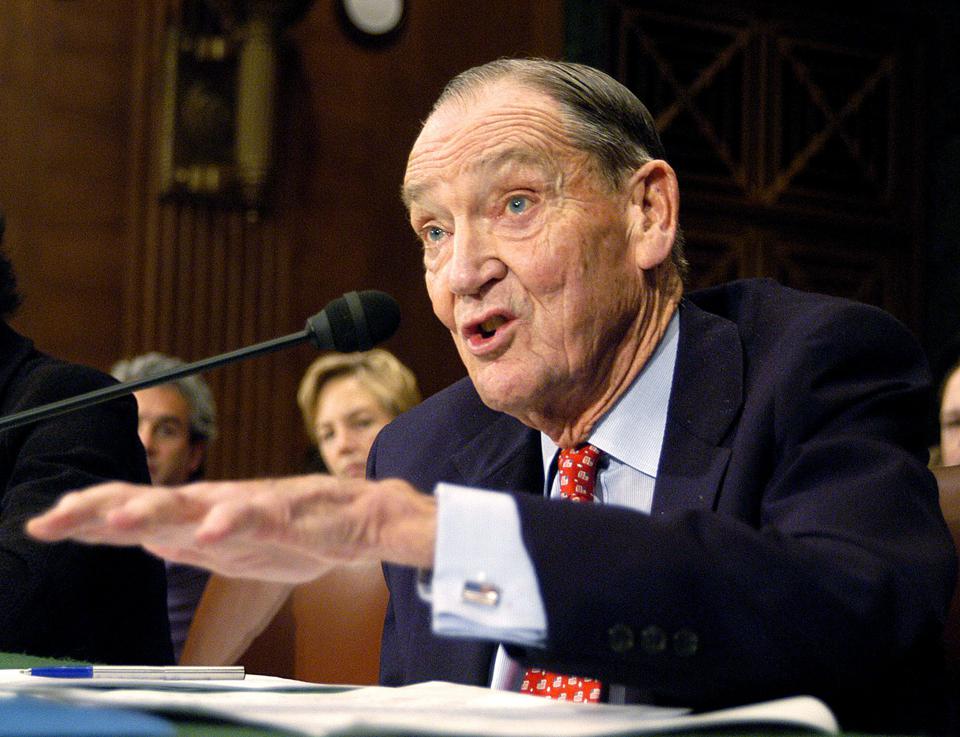
Here are ten essential investment principles that Bogle shared throughout his distinguished career.
1. Embrace Buy and Hold
“Buy and hold” perfectly captures Jack Bogle’s core investment message. As he explained, “Common sense tells us — and history confirms — that the simplest and most efficient investment strategy is to buy and hold all of the nation’s publicly held businesses at very low cost.”
Rather than constantly trading in and out of stocks, Bogle recommended purchasing market positions and systematically adding to investments over time. Research accurate market data from financial institutions, study market conditions thoroughly before investing, then let compound interest work its magic.
2. Stay the Course
Bogle’s “stay the course” philosophy flows naturally from his buy-and-hold strategy. He advised investors never to let “changes in the market…change your mind” and emphasized they should “never, never, never be in or out of the market. Always be in at a certain level.”
According to Bogle, maintaining your position during market downturns while others panic becomes crucial for long-term success. Research the best Vanguard index funds, understand asset allocation principles, and grasp other investing fundamentals before implementing a buy-and-hold approach.
3. Don’t Try to Beat the Market
For nearly four decades, Bogle remained one of the investment world’s most vocal critics of active investing and actively managed fund limitations. “Short-term betting is not a good way to go,” he declared.
Bogle considered fund managers who promised consistent market-beating performance to be misleading investors. Instead of investing with these funds, he suggested matching market returns while minimizing costs.
4. Purchase the Entire Stock Market
Rather than selecting individual winners and losers, Bogle encouraged investors to own the complete US stock market. He described the S&P 500 as a “great proxy” for achieving this goal, and his Vanguard index funds made broad market ownership accessible to countless investors.

He recommended structuring investment portfolios to mirror market benchmarks like the S&P 500 index. While many investors may question this approach, following this principle typically generates solid fundamental returns over time.
5. Expert Guidance Isn’t Always Necessary
Bogle advocated for investing simplicity. Since buying and holding broad market index funds represents straightforward investing, he told investors that “unless you need a financial adviser to help you get started in that routine, you probably don’t need a financial adviser.”
Jack Bogle believed index funds should represent the majority of equity holdings, and financial professionals disserve clients when recommending only individual stock purchases. To build personal wealth and achieve financial independence, focus on index investing while maintaining realistic expectations through common-sense strategies.
6. Remove Emotion from Investment Decisions
“Impulse is your enemy” became one of Bogle’s key mantras. He urged investors to “eliminate emotion from your investment program” and “avoid changing [your] expectations in response to the ephemeral noise coming from Wall Street.”
This principle reinforces Bogle’s stay-the-course philosophy. Regardless of market excitement or widespread investor anxiety, you should execute your plan consistently without letting external factors interfere. While staying informed through financial news makes sense, don’t allow it to derail your investment strategy.
7. Investment Costs Matter Significantly
John Bogle’s strong criticism of mutual funds stemmed partly from his belief that they overcharged everyday investors. When developing index funds and promoting long-term buy-and-hold strategies, one of Bogle’s primary objectives involved minimizing investor costs.
Bogle famously stated: “In investing, you get what you don’t pay for. Costs matter.” Excessive fees directly impact your average returns.
8. Focus on Companies, Not Stock Prices
Bogle advised against wasting time on individual stock or stock fund selection. He described the stock market as “a giant distraction to the business of investing,” meaning stock price fluctuations represent mere noise while company fundamentals and historical performance truly matter.
Therefore, seek public companies that consistently deliver strong bottom-line results and demonstrate sustained business growth over time, without worrying about current share prices. Focus on finding businesses worth long-term ownership.

9. Maintain Investment Simplicity
Bogle consistently championed simplicity and low costs in investing approaches. He advised investors: “when there are multiple solutions to a problem, choose the simplest one.”
This means investing in vehicles like low-cost index funds instead of creating elaborate market-beating strategies. Complex approaches demand greater effort and expertise. Choose straightforward investments that everyday investors can easily understand rather than selecting complicated assets requiring professional guidance.
10. Commit to Your Strategy
Bogle’s stay-the-course message was so fundamental to his investment philosophy that it deserves emphasis. He cautioned investors that “the greatest enemy of a good plan is the dream of a perfect plan.”
His solution? “Stick to the good plan.”
Key Takeaways: Jack Bogle’s Investment Wisdom
Jack Bogle founded Vanguard and earned recognition as the father of modern index funds. Throughout his career, he encouraged investors to match market performance rather than attempt to beat it, while developing Vanguard’s comprehensive index fund portfolio to make this approach accessible.

Most importantly, Bogle demonstrated that buy-and-hold strategies provide the optimal path for investors, emphasizing the critical importance of maintaining that strategy regardless of market conditions.


