
We’ve all experienced those moments of weakness—buying clothing items we absolutely don’t need. Now they sit in our closets, barely touched. While seeing them might trigger a brief rush of endorphins, did you know you can actually monetize these impulse purchases by selling clothes online? You can now move your clothes directly from closet to cash through stores that will either buy them outright or provide a selling platform. Whether your items feature obscure brands, designer labels, or vintage styles, there’s a market waiting.
This comprehensive guide reveals how to transform your unworn wardrobe into cash. Everything you need to know is covered below. Ready to learn how to sell used clothes online and generate real income? Let’s dive in!

Why Selling Your Used Clothes Online Makes Sense
Obviously, you’ll earn money when selling clothes online. However, launching a clothing business can feel overwhelming. What makes it worth pursuing anyway?
Declutter While Taking Inventory
Opening your wardrobe to buyers naturally forces decluttering. Most homes overflow with clothing items in various forms, contributing significantly to household clutter. While decluttering might seem daunting and time-consuming, selling clothes accomplishes this goal effortlessly. Online selling makes it even easier—you’ll simultaneously declutter your space and generate income.
Generate Extra Income for Financial Goals
The primary benefit of selling used clothes is generating additional income. Everyone benefits from extra cash flow. Use these earnings to tackle student loans or help others with theirs if you’re debt-free. Channel the money toward savings goals or finally take that postponed vacation. Extra income can also boost your credit standing—anyone who’s faced a declined card at checkout understands how crucial financial stability can be.

Practice Conscious Generosity
This overlooked benefit deserves recognition. Beyond making money from used clothes, selling can demonstrate genuine generosity. When you price items affordably, you tap into our natural instinct to share resources. You’re helping others access designer brands and quality clothing they might never afford otherwise. While these pre-owned items might seem ordinary to you, they represent opportunity for others. If we all chose sharing over hoarding, we’d create a more generous world.
Best Platforms for Selling Used Clothes Online
Finding platforms to sell used clothes shouldn’t worry you—numerous online stores exist, each serving different market needs.

Transaction fees and seller costs vary across platforms, so research each site thoroughly to ensure they align with your goals.
eBay

eBay remains a classic platform for selling used clothing. Though less streamlined than newer options, it offers excellent earning potential. You can either auction items or set fixed prices. Fixed pricing often works better since buyers typically search for specific items. Once you provide what they’re seeking, you’re likely to make a sale. eBay represents a solid choice for anyone wanting to profit from their old wardrobe.
Click Here To Get StartedASOS Marketplace

ASOS Marketplace serves a specialized niche, focusing on vintage garments and retro fashion. While it might not accept contemporary designer pieces, it’s perfect for selling authentic fashion from past decades like the eighties.
Click Here To Get StartedThredup
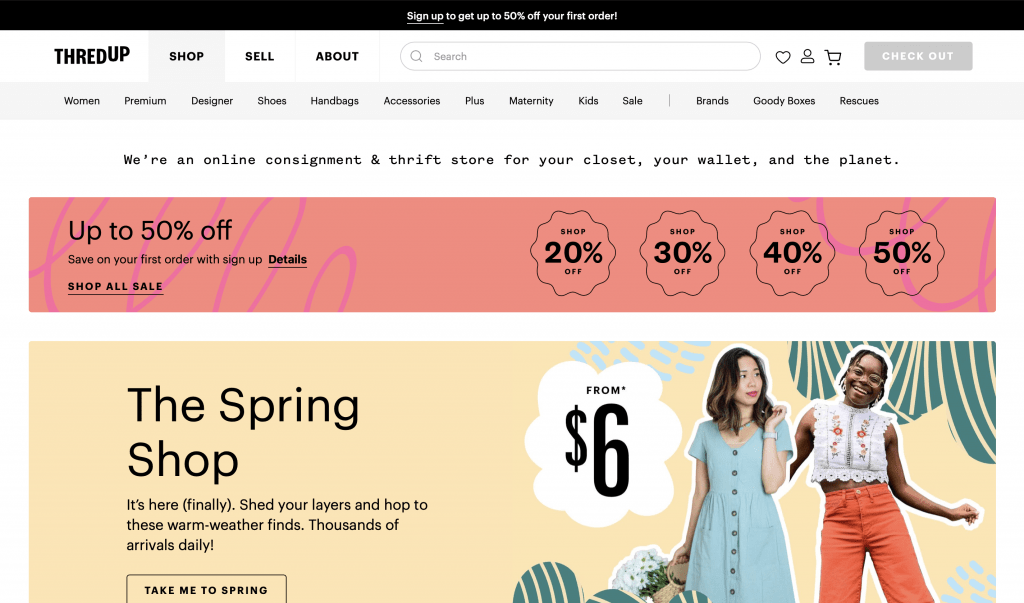
Thredup offers exceptional convenience for selling used clothes. Skip the hassles of sorting, photographing, and listing—simply order a cleanout bag from their website. Fill it with your items and ship it back. Their experts evaluate each piece, selecting items for resale and recycling the rest. Receive payment through PayPal or store credit, with the option to donate earnings to charity. This streamlined process typically takes under a month. Essentially, you bag your clothes, ship them off, and wait for payment. Thredup consistently delivers on their promises.
Click Here To Get StartedFacebook Marketplace

Facebook Marketplace operates like a digital clothing store. List your used items, connect with interested buyers, and arrange transactions. You’ll partner with Facebook’s platform while handling direct customer interactions. After listing items and receiving inquiries, finalize agreements and meet buyers in safe, public locations to complete exchanges.
Click Here To Get StartedTradesy

Tradesy extends beyond just clothing, offering a broader marketplace for designer items. As a consignment platform, Tradesy stores and sells your items for predetermined fees. They excel at connecting sellers with qualified buyers while driving traffic to their marketplace. Tradesy maintains transparent communication throughout the entire process.
Click Here To Get StartedPoshmark

Poshmark accommodates various brands while offering mobile-first selling convenience. Everything can be managed through their smartphone app, reducing commission costs, shipping fees, and processing charges. Download the app, upload photos of your clothes, and connect with your target audience. List multiple outfits, engage with interested buyers, and ship items promptly. Poshmark streamlines the entire selling process.
Click Here To Get StartedBuffalo Exchange

Buffalo Exchange provides both in-store visits and mail-in consignment options. Request a shipping kit, pack up to 40 items per kit, and send them back. They’ll purchase selected pieces and return the remainder. Their reasonable commission structure ensures profitable transactions.
Click Here To Get StartedEssential Tips for Selling Used Clothes Online
You’re probably excited to get started, but don’t rush into online clothing sales unprepared. Now that you know where to sell, let’s explore proven strategies and best practices for converting your used clothes into cash. Here are the most effective tips for successful online clothing sales.

Master the Learning Curve
Reading this guide is your crucial first step—gathering information before diving into online clothing sales. Online selling differs significantly from physical retail, so previous in-person selling experience won’t fully prepare you. Learn the nuances of digital marketplaces, order fulfillment, shipping calculations, and payment processing fees. While mastering these elements takes time, you’ll gain momentum quickly once you establish your rhythm.
Prioritize Your Inventory
Most people accumulate substantial clothing collections, but not every item deserves online selling effort. Sort your inventory strategically by potential profitability. Recognizable brands command higher prices than generic items. Children’s clothing also represents strong market demand and should receive priority attention.
Price Items Realistically
Many sellers struggle with pricing decisions. The biggest mistake is expecting to recoup original purchase prices. This approach rarely succeeds. Regardless of your emotional attachment or designer labels, pre-owned status automatically reduces value. Items may also be outdated, further limiting market appeal. Stay objective—research similar listings online and check thrift store prices for market context. Use this data to establish both starting and target sale prices. Remember that affordability drives sales more than wishful thinking.
Perfect Your Presentation
After selecting items and setting prices, focus on presentation preparation. Thoroughly clean and press each piece, then capture high-quality photographs and craft compelling descriptions. Strong writing skills provide a significant advantage here. Consider connecting with experienced sellers to learn about customer service, return policies, and fee structures. Real-world insights from active sellers prove invaluable for newcomers.
Conclusion: Transform Your Closet Into Cash
Used clothes don’t have to burden your closet when you have the right knowledge and strategy. This guide provides comprehensive insights into successfully selling used clothes online, covering everything from platform selection to pricing strategies. Now it’s time to put these lessons into action and start generating income from your unused wardrobe.


