
Do you have a compelling story waiting to be told? Has your life journey been filled with transformative experiences and valuable lessons? Have you developed an innovative self-help approach that could genuinely change lives? Or do you dream of seeing your work featured on bestseller lists?
Regardless of your message or preferred writing style, there’s tremendous opportunity for your book to find its audience—particularly on Amazon’s Kindle Publishing platform, which offers vast digital shelf space for aspiring authors.
Authors across every genre are successfully creating and publishing their work on Amazon right now, from fiction and non-fiction to poetry and daily planners.

Here’s something remarkable: publishing industry revenues reached approximately $6 million in the United States this year. Digital books account for 22% of that total, and Amazon’s Kindle publishing platform commands an impressive 67% market share within that segment.
I know what you’re thinking: “Say what????”
While most authors aren’t primarily motivated by financial gain, let’s be honest—if you can earn profit while sharing your story with the world, that’s a win-win situation.
Amazon’s Kindle publishing platform provides more than just digital publishing capabilities for your eBooks—you can also offer paperback versions. This dual format approach effectively doubles both your sales opportunities and profit potential.
Let’s examine the Kindle publishing landscape from an author’s perspective and break down what you need to know.
Why Choose Amazon Kindle Publishing?
As of March 2019, Amazon boasted over 145 million active users. When you publish on Amazon Kindle, you gain immediate access to this massive audience—and they discover your work just as easily.
While you might already have established yourself as a social media influencer with substantial followers, most authors need additional support reaching readers. Amazon provides exactly that assistance.
Beyond audience reach, there are several compelling reasons to choose Amazon Kindle publishing:
- The platform requires no technical expertise or computer science background. Amazon has streamlined the entire process, making it accessible to everyone. You can literally have your book published within a remarkably short timeframe.
- Publishing costs nothing upfront. Amazon operates on a revenue-sharing model—they profit only when your book generates sales. We’ll explore this arrangement in greater detail later.
- Amazon excels at marketing support. They employ proven promotional strategies to boost book sales and offer user-friendly advertising tools that display targeted ads to potential readers on their platform. You can easily integrate these campaigns with your social media efforts to reach your existing communities.
- Amazon’s dominance is undeniable—it ranks as the world’s third-largest search engine. While alternative publishing platforms exist, none can match Amazon Kindle’s comprehensive reach and capabilities.
Now that we’ve established Amazon’s market leadership, let’s explore the step-by-step process for publishing through their Kindle platform.
Step 1: Define Your Author Identity
You represent the crucial foundation of this entire endeavor—without your unique voice and perspective, there would be no book. Before beginning the publishing process, you must clearly identify what type of author you aspire to become.

Non-Fiction Author
Choosing to become a non-fiction author means embracing the role of educator and guide. You’ve experienced something so transformative that you’re confident others can benefit from your insights. Through memoirs, you might connect with readers by sharing your personal journey and life experiences.
Alternatively, you might feel compelled to tell someone else’s powerful story—perhaps that of a wrongly convicted death row inmate or an emerging political candidate.
Non-fiction authors commit to truthfulness above all. Every element of your work must be accurate, verifiable, and grounded in facts. If you find yourself wanting to embellish significantly or create fictional elements, then fiction writing might be your true calling.
Fiction Author
Fiction writing offers complete creative freedom—you’re crafting fantasies and imaginative narratives from scratch. Your characters can take any form you envision, whether human or otherwise, inhabiting the distant planet Tygaz, time-traveling through mini coopers, or combining all these elements. The only limits are your imagination and creative vision.
Side Note: Non-fiction authors typically achieve greater success by cultivating social media followings or establishing platforms that enhance their visibility. Building this foundation takes time—through publishing multiple books and maintaining active presences on Instagram, Facebook, and Twitter. Your follower count often directly correlates with sales performance.
Fiction authors primarily need exceptional writing skills. Industry reports suggest that talented fiction writers can generate substantial income from just a few well-crafted books. Additionally, fiction doesn’t require the same platform-building demands as non-fiction publishing.
Step 2: Explore the Amazon Kindle Publishing Platform
Amazon provides comprehensive, straightforward guidance on book publishing—you simply need to invest time in reviewing their resources. They’ve created instructional videos for visual learners and detailed explanations of benefits including rights retention, rapid publishing timelines, platform features, and distribution networks.
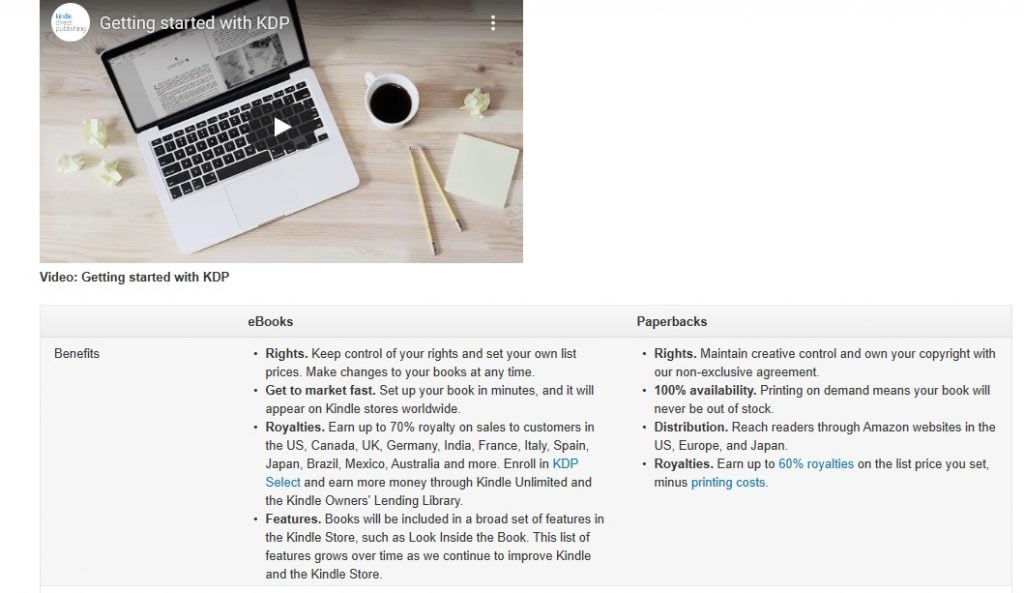
Their platform then walks you through each phase of the publishing process with clear, actionable steps.
Step 3: Prepare Your Manuscript for Publication

By this stage, you’ve completed your manuscript and designed an eye-catching cover. Amazon’s free Cover Creator tool simplifies the design process, once again demonstrating their commitment to user-friendly solutions.


Next, you’ll establish your Kindle publishing account through a streamlined process requesting essential information: contact details, tax documentation, and payment preferences.

Once your account is active, you’ll receive access to your personal “bookshelf”—the dashboard where you’ll create your book listing and manage the publishing process.

This is where you’ll input comprehensive details about yourself and your book—including title, description, keywords, categories, pricing, royalty selections, and more.
Step 4: Optimize Your Title, Description, Keywords and Categories
Before crafting your title, description, keywords, and categories, invest time learning basic Search Engine Optimization principles. This knowledge significantly improves your book’s discoverability by potential buyers. The key is using language that resonates with your target audience.
Consider this crucial question: How would my ideal reader search for my book?
If you’ve written about diabetes, readers might not search for “diabetes” specifically. Instead, they could look for “sugar-free diet plans” or “glucose level management techniques.”
For fiction works, clearly identify your genre and subgenre. Is your story “contemporary romance” or “young adult fantasy”? Be specific about what distinguishes your book.
Focus on popular search terms that naturally connect readers to your work when they’re browsing.
Numerous excellent resources exist for mastering Search Engine Optimization, including affordable guides available through Amazon Kindle itself.
Step 5: Select Your Royalty Program
Amazon offers multiple royalty structures for authors. The two primary options are the “35% Royalty Option” and the “70% Royalty Option.” Reports suggest they’ll soon introduce a “50% Royalty Option” for their Great on Kindle program.
Let’s examine these choices in detail:
- The 35% royalty option offers straightforward terms, with Amazon paying you 35% of royalties. You must accept Amazon’s pricing structure, which typically benefits authors.

- The 70% royalty option appears more attractive initially—who wouldn’t prefer higher earnings? However, this plan comes with specific requirements:
- Your list price must be at least 20% lower than prices on other sales channels
- You’ll pay megabyte delivery charges for each book sold
- Network delivery fees may also apply
- If Amazon adjusts your pricing, you’ll be responsible for associated taxes

After selecting and entering this information, you’ll preview how your book appears to potential customers. Once you approve the presentation, submit it for publication.
Amazon’s review team will evaluate and approve your submission.
Consider publishing both digital and paperback versions—this strategy is highly recommended. Amazon provides similar guidance for paperback publishing.
Congratulations! Your book is now live and available for purchase!
Step 6: Develop Your Marketing Strategy
After your immediate circle—family, friends, and their networks—has purchased your book, you might experience a sales slowdown (speaking from personal experience). Don’t panic when this happens. Your book’s selling potential is far from exhausted.
To revitalize sales, implement a comprehensive marketing strategy. Amazon provides numerous promotional tools, including their Author Central program, which allows you to share detailed information about yourself and your work with prospective readers.
Additional Amazon features include targeted advertising, Kindle countdown deals, pre-order campaigns, preview sharing, and lending programs.

However, social media remains your most powerful promotional tool. Platforms like Instagram and Facebook make global advertising both affordable and accessible.
You can precisely target your ideal audience and host virtual Book Launch events, promoting your work through giveaways and exclusive rewards for attendees.
Amazon’s Author and Publisher Forum represents one of their most valuable resources, connecting you with experienced professionals and fellow newcomers for advice and support.

Step 7: Maximize Kindle Publishing Resources
Don’t simply publish your book and wait for royalty checks—though that certainly sounds appealing. Continuously utilize available resources to identify improvement opportunities and optimize your success. Here are key resources every author should leverage:
- Monitor your Sales Dashboard regularly

- Track your rankings and adjust keywords to improve search visibility

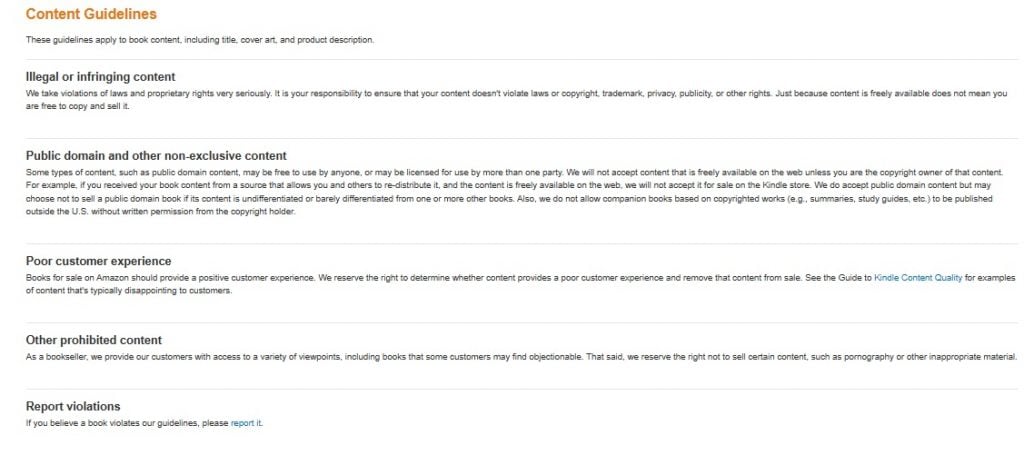
- Stay current with Kindle publishing updates, content guidelines, and policy changes
You’re well on your way to becoming a published author. Here are several additional strategies to help you genuinely profit from creating content you’re passionate about:
- Prioritize Reviews—Customer ratings on Amazon significantly impact your search rankings. Many readers filter results by ratings, making this step crucial. Encourage friends, family, and readers to leave reviews. Include review requests strategically throughout your book—at the beginning, middle, and end.

Distribute advance copies free to individuals who will provide honest reviews. Send digital copies to book clubs, podcasters, or social media influencers to generate additional feedback.
- Avoid writing about trending topics unless they align with your expertise. Focus on subjects you genuinely understand and feel passionate about. This principle applies to fiction as well.
- Invest in professional editing—don’t rely solely on your word processor’s grammar checker. If professional editing isn’t feasible, consider asking local English teachers for assistance or utilize comprehensive online tools like Grammarly.
- Research your target audience thoroughly. Fiction readers often prefer substantial novels, while non-fiction audiences typically want concise books they can complete quickly.
- Commit to continuous learning about Kindle publishing, your subject matter, writing techniques, and craft improvement.
- Most importantly—enjoy the process!
Regardless of where you currently stand in your writing and publishing journey, persistence is essential. Whether publishing represents a bucket list achievement or you’re answering an inner calling to share your voice, don’t give up on your dreams.
The Kindle publishing system can help you accomplish your goals, expand your brand, and create a lasting legacy.


