
First comes the noise—you dismiss it because no one wants to replace a perfectly functional washer. Then clothes emerge from the dryer still damp. No big deal, you think. The machine’s getting older, so you run that load through again. Eventually, the washer dies completely, naturally leaving you with a drum half-full of water and a dryer that can’t cope with soaking wet towels.
Broken washers and dryers past their prime fill back yards, garages, and junkyards nationwide. Ironically, the “thrifty” owners who used them beyond their lifespan ended up paying premium prices for emergency replacements. This scenario is entirely avoidable. Recognize the warning signs early, and you can upgrade on your schedule—not at the mercy of appliance retailers.
Shopping for a new washer or dryer the day after yours breaks down rarely yields the best deals. These major appliances represent substantial investments that deserve careful research and strategic timing to catch the right sale.
At full price, expect to spend around $2000 for a quality setup. Time your purchase strategically, and you can slash that cost to under $1200. Believe it or not, there are definitely optimal times to buy appliances. So when exactly should you shop for a washer and dryer? Let’s explore the best timing strategies!
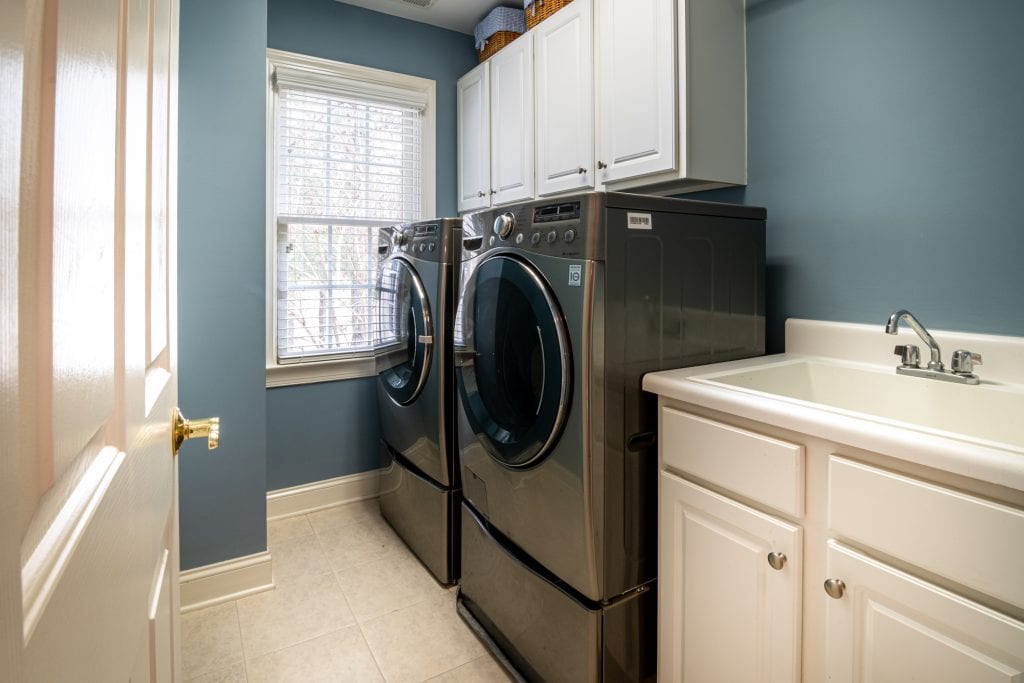
Recognize Washer and Dryer Warning Signs
Timing your washer and dryer purchase yields the best savings. When either machine fails unexpectedly, however, your bargaining power vanishes. Skip the stress and extra expense by watching for the telltale warning signs that indicate your machines are approaching failure.
Watch for these washer warning signs:
- Noise: Worn pulleys or belts could be the culprit—a relatively quick and inexpensive repair—but excessive noise also signals your washer’s decline. Before calling a repair technician, verify the machine’s balance. Most washers feature adjustable feet, and an unbalanced unit will rock and create noise. Adjust the feet or prop up one side to resolve the issue.
- Water Leaks: Start by inspecting the hoses—one hot water line and one cold water line enter through the back. If the leak originates there, you’re looking at a simple fix. Internal seal failures or damaged internal hoses, however, signal it’s time to start washer shopping.
- Musty Odors: Front-loading washing machines from earlier generations often develop persistent odors that transfer to clothing. These units lacked proper self-cleaning capabilities, allowing mold to accumulate. Once you detect funky smells, it’s time to replace the machine. This was a widespread defect in early 2000s models. Contact your original retailer—you might qualify for settlement compensation.
- Age: Washers eventually succumb to natural wear. The typical washing machine lifespan hovers around eleven years. Start researching replacements around the ten-year mark to be safe. Since washing machines become more energy-efficient annually, upgrading to a newer model always represents a smart investment.
If you purchased both appliances together and your dryer fails first, prepare to replace both units. Combo deals offer better value, and your washer likely isn’t far behind on the failure timeline. Don’t delay the dryer upgrade—older dryers cause 15,000 house fires annually, while newer models rarely pose fire risks.

Optimal Timing for Washer and Dryer Purchases
Black Friday delivers solid deals on virtually everything, including washers and dryers. New models launch in September, so by November, those initial price tags start dropping as retailers push volume before the holidays. But does this make November the optimal month for washer and dryer shopping? Not exactly.
Memorial Day weekend emerges as the prime time for washer and dryer purchases. This unofficial summer kickoff prompts appliance stores and major retailers to slash prices on previous year’s models, clearing floor space for September’s new arrivals.
Retailers aggressively mark down older inventory to move it off showroom floors. Keep this seasonal pattern in mind when planning your appliance purchases.
Throughout the summer months following Memorial Day, you’ll find decent opportunities to purchase washers and dryers, though selection becomes limited. Come July, showrooms typically display scattered older models and lesser-known brand names. Exercise caution with unfamiliar brands—while prices may appear attractive, replacement parts can prove difficult to source when repairs become necessary.
Labor Day weekend marks the arrival of new model releases, meaning any remaining previous-year inventory hits rock-bottom pricing. Some “experts” claim this represents the ultimate buying opportunity for washers and dryers. I disagree with this assessment.
While deeper discounts might be available, Memorial Day consistently offers superior appliance shopping conditions. Don’t postpone your purchase unnecessarily.

Additional Prime Shopping Periods for Appliances
Other strategic times for appliance purchases include:
- Cyber Monday: This represents the peak opportunity for online appliance shopping. Cyber Monday, the e-commerce holiday falling between Thanksgiving and Black Friday, ranks among the year’s biggest shopping days and delivers exceptional value on major purchases. You can secure washers and dryers at significantly reduced prices compared to standard retail.
- Spring Season: Following the fall holidays and shopping rush, spring emerges as another prime appliance buying window, with April leading the pack. Retailers slash prices to clear out floor models, so monitor price alerts and compare offers across multiple stores.
- New Year’s Day: Retailers frequently carry excess holiday inventory, prompting New Year’s Day clearance events. These represent final efforts to move older models and create space for fresh stock. Take advantage of these special promotions during this brief window.
- Presidents Day: Expect reduced pricing on washers and dryers during Presidents Day promotions. Sales activity typically spikes during this period, so conduct thorough comparison shopping to identify the best available deals.
Avoid Getting Trapped at the Laundromat
The Simple Dollar’s research reveals that laundromat washing costs $3.12 per load on average, while home laundry runs just $.97 per load. That’s $2.15 in savings every time you wash clothes. Consider the implications: when your washer and dryer fail, laundromat expenses quickly add up.

This study’s deeper analysis shows that a typical 2020 washer/dryer combination costs approximately $1300, creating a break-even point around 600 laundry loads using the calculations above.
How many loads does your household complete monthly? The math tells a compelling story. Don’t let yourself get stuck relying on laundromats. The best time to buy a washer and dryer is before you absolutely need them.
Final Thoughts: Strategic Washer and Dryer Buying
Whether your washer, dryer, or both appliances have failed, replacement time eventually arrives. Perhaps you’re being proactive and want to upgrade before facing an emergency situation. Either way, you now understand the optimal timing for washer and dryer purchases. Strategic timing can generate substantial savings!
Planning to upgrade or replace other household essentials? You might find value in our guides covering the best time to buy a mattress and the best time to buy furniture.


