
Weddings are expensive enterprises. Costs run into thousands of dollars, and the wedding dress often ranks among the priciest details. For most women, choosing their gown carries profound emotional weight and significance. However, after that special day, your wedding dress may simply hang in your closet, gathering dust with no purpose. So why not maximize your investment by selling it and recouping some of that money?
In this guide, we’ll explore the best places to sell a wedding dress so you can turn your used gown into cash!
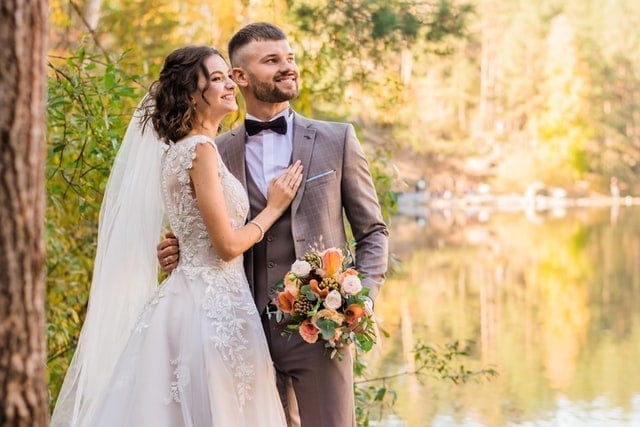
Options for Selling a Wedding Dress
Weddings are expensive, so recovering some of that investment by selling your wedding dress can provide substantial financial relief. The selling process is straightforward and offers several avenues to explore for quick sales. First are consignment stores, which specialize in selling used wedding dresses to potential buyers. Sellers pay a flat fee to list their gowns, then receive the selling price once the dress sells. You can also sell locally or online.
Selling wedding dresses online offers the easiest path to disposal with attractive returns. Platforms like Wedding Bee facilitate these transactions, and some allow you to sell related items like engagement rings. Online selling requires proper shipping with appropriate labels. For local online sales (within your area), traditional platforms like eBay and Facebook Marketplace work perfectly.
Best Places to Sell A Wedding Dress
Online wedding dress sales offer distinct advantages over local consignment shops. They expand your potential buyer pool significantly while making the process more transparent and streamlined for finding the best deals and shipping arrangements.

When selling your wedding dress on these platforms—including those billing themselves as the largest online bridal marketplaces—you’ll find abundant customer demand and convenient selling processes. Before choosing any platform, examine key factors like their social media presence, commission fees, and service quality. Here are the top online venues for selling wedding dresses.
Nearly Newlywed

Nearly Newlywed tops our list because it handles everything for you. Simply pay the listing fee and complete a form detailing your dress specifications, including your preferred price. The platform manages the rest. When your gown sells, you receive notification and ship the dress directly to them for forwarding to the buyer. While selling fees run somewhat high and the platform doesn’t handle wedding accessories or other items, Nearly Newlywed’s full-service approach provides exceptional convenience.
Click Here To Get StartedStill White

Still White stands as an industry veteran, widely recognized as the world’s largest online bridal marketplace. For selling preowned wedding gowns, this platform remains unmatched.
Still White provides two seller plans. The standard plan requires a one-time $20 listing fee and accommodates six wedding dress photos. The premium listing costs $30 and keeps your gown listed until sold, while allowing eight photos or video content plus seven days of homepage gallery placement. Beyond initial plan costs, Still White charges no additional commissions—a significant advantage.
Click Here To Get StartedSmartBride Boutique

SmartBride Boutique operates as a classified ads site for wedding dresses and accessories, including decorations and related items. Account setup is required, but unless you upgrade from basic to premium, you pay no commissions or listing fees. The premium account offers enhanced visibility features for your secondhand wedding dresses.
Click Here To Get StartedWedding Bee

Wedding Bee serves as a comprehensive hub for used wedding dress sales and wedding-related content. This wedding blog provides information on ceremony venues, pricing for wedding items, and more. Selling secondhand wedding dresses here is simple and affordable—you pay nothing except for optional ad boosts. Wedding Bee operates on basic listing principles only.
Click Here To Get StartedWedding Recycle

Wedding Recycle eliminates upfront listing fees common on many platforms. However, it doesn’t support accessory sales. Since no listing fee applies, the platform takes a 4% commission on successful wedding dress sales. Remember, you’ll manage the entire selling process independently.
Click Here To Get StartedeBay

eBay excels for local sales, connecting you with buyers in your immediate area. This eliminates shipping costs and concerns while providing greater security through local transactions with identifiable buyers.
eBay accommodates virtually any item, including used wedding dresses. Rather than listing fees, eBay charges 10% of your gown’s selling price. While this may exceed other platforms’ rates, eBay’s established reputation can accelerate sales, potentially moving your dress immediately after listing.
Click Here To Get StartedFacebook Marketplace

Facebook Marketplace provides another excellent local selling option. Facebook Marketplace offers high buyer reach potential, though sales may take longer. The major advantage: no listing fees or commissions required. For selling used dresses, Facebook Marketplace delivers exceptional value.
Click Here To Get StartedTips to Note About Selling Wedding Dresses Online
Beyond selecting your selling platform, several crucial considerations can impact your success. We’ll explore these in detail below.
Sell as Soon as Possible
List your wedding gown shortly after your wedding. Generally, wedding dresses retain strong value for two to three years post-wedding, particularly designer pieces. However, fashion trends constantly evolve. What appeals today may lose desirability within a few years. You’ll likely connect with buyers most easily when your dress remains fashionably current. Even designer clothing eventually becomes outdated—earlier listing maximizes your success potential.

Be Fair with Your Price
Wedding dress selection represents one of every bride’s most important decisions. Brides seeking pre-owned gowns for their special day genuinely seek fair value. Put yourself in the buyer’s position when determining your final price. Research current secondhand wedding dress market rates to ensure competitive pricing within accepted ranges. While avoiding undervaluing your used gown, remember that fair pricing benefits everyone involved. Strike the optimal balance between competitive rates and buyer consideration.
Set Up Correctly
Proper dress presentation accelerates sales while simplifying buyer decisions. Capture at least four comprehensive photos showcasing different dress angles. Provide complete dress information including design details, color, measurements, and alterations. Transparency regarding modifications demonstrates honesty while facilitating buyer evaluation.
Clean the Dress
Professional cleaning before listing demonstrates care and consideration to potential buyers. This thoughtful gesture impresses dress shoppers while significantly increasing sale probability. The investment in professional cleaning typically pays dividends through faster sales and better pricing.
Selling a Wedding Dress FAQ
How do I determine the appropriate price for my wedding dress?
Pricing a used wedding dress can be a bit of a challenge as it involves several factors. Here are some steps to help you determine an appropriate price:
- Original Price: Start with what you paid for the dress. This will serve as the basis for your calculations.
- Condition: If the dress is still in excellent condition and has been cleaned after use, it will fetch a higher price. On the other hand, if there are stains, tears, or other signs of wear and tear, you’ll need to adjust the price downwards.
- Designer and Brand: Designer dresses tend to retain value better than non-designer ones. If your dress is from a sought-after designer or a well-known brand, it may command a higher price.
- Age and Style: More recent styles are likely to sell for more than older ones. If your dress is several seasons old, or its style is no longer in fashion, it may be worth less.
- Alterations: Significant alterations can affect the price, especially if they limit the ability of a new owner to alter the dress to their fit. If alterations have enhanced the dress, they might add to its value, but if they’ve customized the dress to a very specific body type, they could decrease its value.
- Market Research: Look at what similar dresses are selling for on the same platform you intend to use. This will give you a sense of the going rate for a used dress similar to yours.
- Demand: Certain sizes, styles, and designers may be more in demand than others. If your dress fits into a high-demand category, it could fetch a higher price.
Typically, a used wedding dress in good condition might sell for 50% to 60% of the original price. If the dress is a designer brand or in high demand, that percentage could be higher. Conversely, if the dress is from a lesser-known brand, has been significantly altered, or is not in good condition, the price might be less than half of the original price.
Remember, pricing is also about what a buyer is willing to pay. Be prepared to negotiate and be flexible with your price if necessary.
Should I clean or repair my wedding dress before selling it?
Absolutely! Cleaning and repairing your wedding dress, if necessary, before selling it is highly recommended. Here’s why:
- Presentation: A clean and well-maintained wedding dress is more appealing to potential buyers. Stains, dirt, or signs of wear can detract from the dress’s overall appearance, potentially discouraging potential buyers.
- Value Preservation: Cleaning and repairing your dress helps maintain its value. A dress in excellent condition can typically command a higher price than one with noticeable damage or wear.
- Hygiene: It’s a matter of common courtesy to ensure the dress is clean before selling it. The buyer will appreciate receiving a dress that is ready to wear or needs minimal cleaning.
- Photography: When you’re taking pictures of the dress for your sales listing, they will look much better if the dress is clean and in good repair.
Remember, professional wedding dress cleaning services are best equipped to handle delicate fabrics and intricate detailing often found on wedding dresses. If the dress needs repairs, consider taking it to a professional seamstress to ensure the repairs are done well. If professional cleaning and repair costs are prohibitive, be sure to disclose the dress’s condition honestly in your sale listing.
How long does it usually take to sell a wedding dress, and should I be prepared for a lengthy process?
The length of time it takes to sell a wedding dress can vary significantly and depends on several factors, including the dress’s price, condition, size, style, brand, and the platform where you’re selling it.
It’s important to be prepared for the process to potentially take several weeks or even months. Here’s why:
- Market Factors: The market for used wedding dresses can be competitive, and trends in wedding fashion can impact how quickly a dress sells. A dress that’s in high demand may sell quickly, while others might take longer.
- Pricing: If your dress is priced too high, it may take longer to sell. If it’s priced competitively, it may sell more quickly.
- Seasonality: There are peak times in the year when more brides are shopping for dresses, typically aligning with engagement season (around the holidays and early in the new year) and early spring. Listing your dress during these times might result in a quicker sale.
- Platform: Some selling platforms may have more traffic than others, which can impact how quickly your dress sells.
Remember, patience is key when selling a used wedding dress. It’s important to give potential buyers time to find your listing, consider the purchase, and perhaps negotiate the price. If you’re not in a rush to sell, you may be able to hold out for a better price.
Are there any legal or tax implications I need to consider when selling my wedding dress?
When selling a personal item like a wedding dress, there typically aren’t any significant legal implications. However, it’s always a good idea to be transparent and honest in your interactions with potential buyers. Accurately describe the condition of the dress, disclose any defects, and represent the dress honestly in photos to avoid potential disputes.
As for tax implications, these can vary depending on your location and individual circumstances. In many jurisdictions, selling used personal items for less than their original price is considered a personal loss, not a gain, so it’s not usually subject to income tax. However, if you were to sell a dress for more than you originally paid, this could potentially be considered a capital gain and might be taxable.
If you regularly sell used items for profit, or if you’re in the business of selling wedding dresses, then this income could be considered business income and would likely be subject to tax.
Keep in mind that tax laws are complex and vary widely, so it’s always a good idea to consult with a tax professional or local tax authority if you have specific questions or concerns.
How should I handle returns or disputes if a buyer is unsatisfied with the dress?
Handling returns or disputes professionally and fairly is crucial to maintaining a good reputation as a seller, especially if you plan to sell other items in the future. Here are a few suggestions:
- Clear Return Policy: Establish a clear return policy and make sure it’s communicated to the buyer before the transaction is completed. Whether you choose to accept returns or not, it’s important to be clear about your policy upfront.
- Honest Description: Be as honest and accurate as possible in your description of the dress. Include clear pictures and note any damage or alterations. This can help prevent disputes over the condition of the dress.
- Open Communication: If a buyer has a problem with the dress, try to resolve the issue through open and respectful communication. They may be willing to keep the dress with a partial refund, or they may prefer to return the dress for a full refund.
- Mediation: If you’re unable to resolve a dispute directly with the buyer, and you’re using a third-party platform to sell your dress, you may be able to use the platform’s dispute resolution process. This often involves a neutral third party reviewing the transaction and making a decision.
- Legal Assistance: If a dispute can’t be resolved through communication or mediation and involves a significant amount of money, you may want to consult with a legal professional.
Remember, the best way to prevent disputes is to be clear and honest in your listing, communicate openly with potential buyers, and deliver the dress in the condition promised.
Conclusion: Selling Your Wedding Dress
If you’re wondering what to do with your wedding dress, here’s our recommendation: sell it. Any of the online platforms discussed above can facilitate this process. Many sites offer incentives to attract buyers and maintain reputations as reliable intermediaries between sellers and purchasers. Consider two essential points, though. First, commit fully to selling. If you’re considering gifting the dress to someone special—like your daughter—postpone the sale. Second, research thoroughly before choosing a platform. Evaluate their longevity, dress volume and quality, listing fees, pricing structures, and other relevant factors. Once you’ve completed this analysis, you’re ready to successfully sell your wedding dress!


